Compare Local Contractors for Concrete Retaining Wall Installation
Compare local contractors to define project scope, verify experience, and set clear expectations for your concrete retaining wall installation.
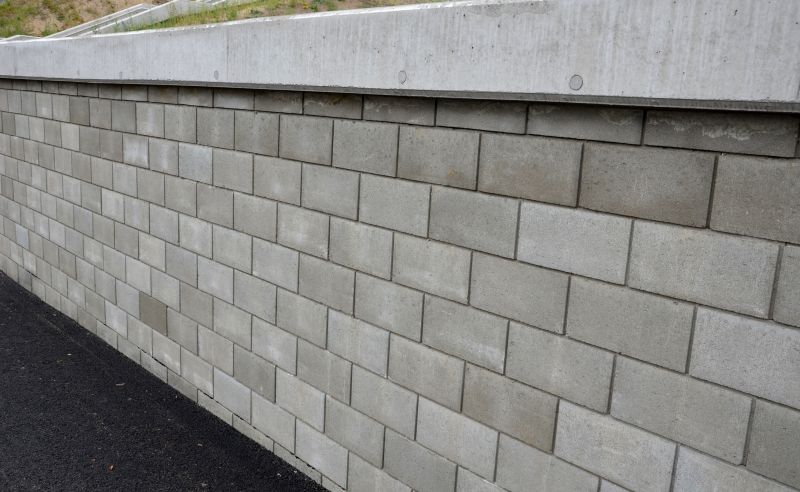
Concrete retaining wall installation involves constructing structures designed to hold back soil and prevent erosion on sloped properties. This work typically includes site preparation, such as excavation and leveling, followed by the placement of concrete blocks, panels, or poured concrete forms. Contractors may also incorporate reinforcement materials like rebar or geogrids to enhance stability. Proper installation requires attention to drainage, foundation quality, and alignment to ensure the wall functions effectively over time, making it a specialized task that benefits from experienced service providers familiar with local soil conditions and building codes.
Clearly defining the scope of a concrete retaining wall project is essential for setting realistic expectations and ensuring the work meets specific property needs. This involves outlining the desired height, length, and design features of the wall, as well as any additional elements such as steps, capstones, or decorative finishes. A well-defined scope helps property owners communicate their goals to potential contractors and provides a basis for comparing proposals. It also minimizes misunderstandings and scope creep, which can lead to delays or unexpected complications, by establishing a shared understanding of the work involved.
When comparing local contractors for concrete retaining wall installation, property owners should consider several factors beyond just experience. Verifying a contractor’s familiarity with similar projects in the area can provide insight into their knowledge of local soil conditions and building practices. Reviewing references or past work can reveal the quality of their installations. It’s also beneficial to examine how each contractor approaches project planning, including their ability to clearly define the scope, provide detailed written proposals, and communicate expectations. This approach helps ensure the chosen service provider aligns with the property owner’s needs and standards for a successful project outcome.
Compare local contractors by outlining project priorities, verifying experience, and setting clear expectations in writing.
- Compare Contractor Experience - Review the backgrounds and project portfolios of local contractors to assess their expertise in retaining wall installation.
- Define Project Scope Clearly - Establish detailed project requirements and expectations before engaging with contractors to ensure alignment.
- Verify References and Past Work - Check references and previous projects to confirm the quality and reliability of local service providers.
- Document Agreements in Writing - Ensure all project details, responsibilities, and expectations are documented in a formal agreement.
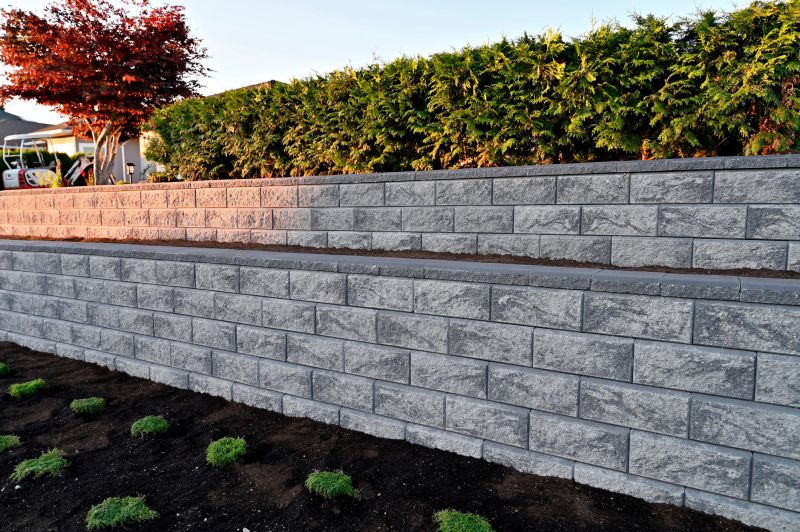
Before comparing local contractors for concrete retaining wall installation, clearly describe your project scope and expectations.
- Verify the contractor’s experience with concrete retaining wall installations similar to the scope of the project. - Ensure the service provider can clearly define the project scope and scope modifications in writing.
- Check that the contractor provides detailed, written estimates outlining materials, methods, and expectations. - Confirm the contractor is transparent about the process and any potential variables that could affect the work.
- Assess the contractor’s knowledge of site preparation, drainage, and foundation requirements for retaining walls. - Look for local contractors who demonstrate understanding of regional soil and weather conditions.
- Ensure the contractor discusses the design, height, and materials to be used for the retaining wall upfront. - Clarify that all design choices and material selections are documented before work begins.
- Request references or examples of previous concrete retaining wall projects completed by the contractor. - Use these references to gauge the quality and reliability of the service provider’s work.
- Confirm that the scope of work, project timeline, and responsibilities are clearly outlined in a written agreement. - Make sure all expectations are documented to prevent misunderstandings during the project.
Compare local contractors, define project scope clearly, verify experience, and set expectations in writing.
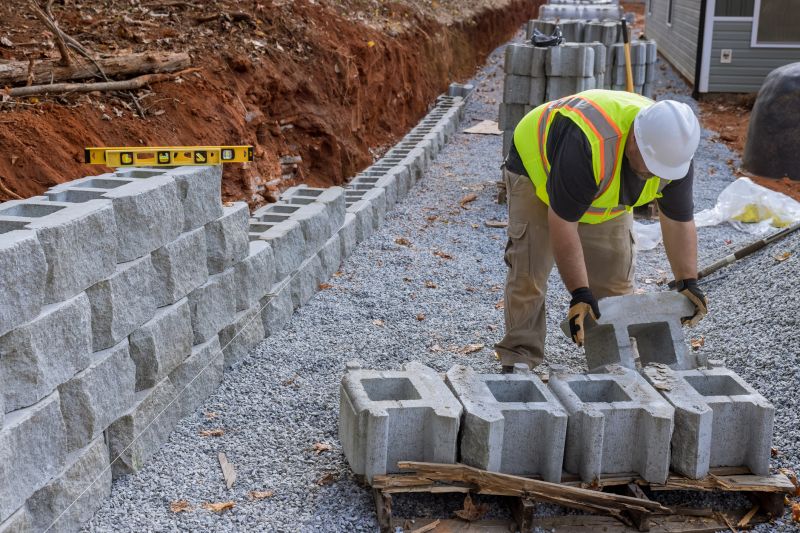
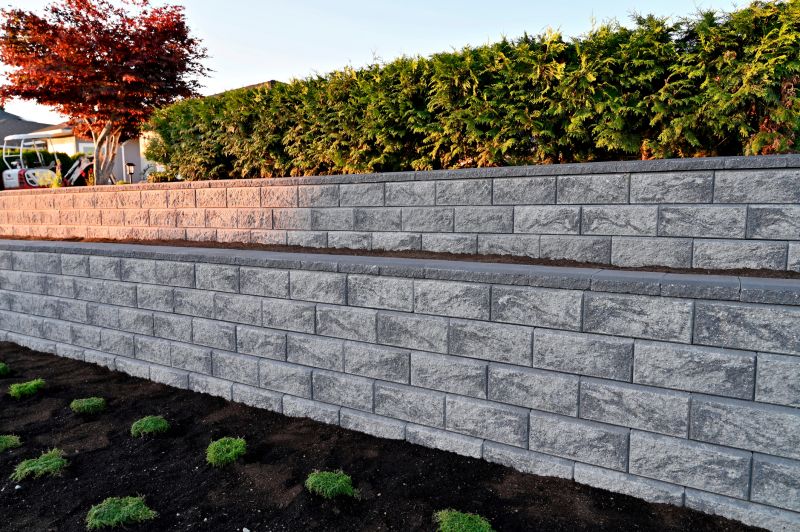
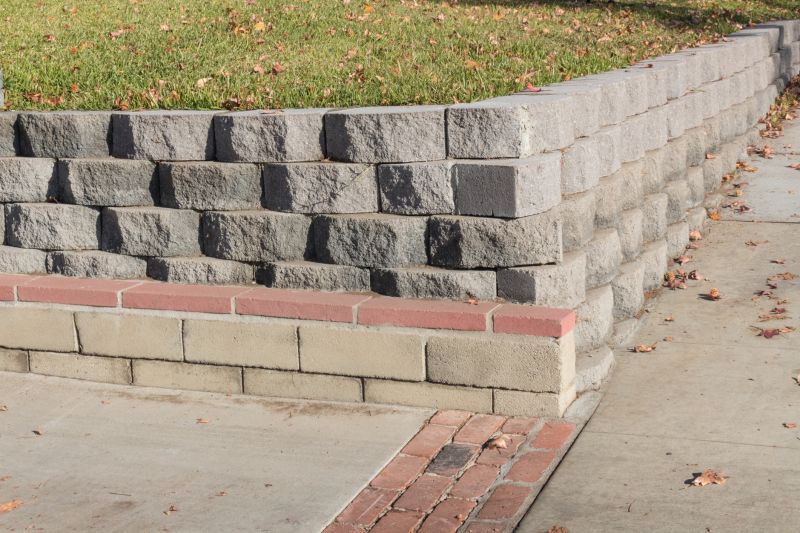
This scope builder helps you compare local contractors, define project details, verify experience, and set clear expectations in writing.
- Define project scope - clearly outline the size, design, and materials for the concrete retaining wall.
- Assess contractor experience - verify that local contractors have relevant experience with similar retaining wall installations.
- Establish technical requirements - specify foundation needs, drainage considerations, and structural support details.
- Document expectations in writing - ensure all project details, responsibilities, and specifications are documented and agreed upon.
- Compare local service providers - evaluate qualifications and past work to identify the most suitable contractors for the project.
When evaluating contractors for concrete retaining wall installation, it is important to consider their experience with similar projects. Homeowners should inquire about the types of retaining walls the contractor has built in the past, paying attention to the scale, design complexity, and site conditions. Contractors with a proven track record of completing projects comparable in scope and style are more likely to understand the specific challenges involved and deliver results that meet expectations. Asking for details about past work can help ensure that the service providers being considered have relevant hands-on experience.
A clear, written scope of work is essential for establishing shared understanding and setting expectations. Homeowners should seek detailed descriptions of the work to be performed, including materials to be used, the extent of excavation, reinforcement methods, and finishing details. Having a comprehensive scope documented helps prevent misunderstandings and provides a basis for evaluating whether a contractor’s approach aligns with the homeowner’s needs. It also facilitates comparison between different service providers, highlighting differences in how they plan to approach the project.
Verification basics involve confirming that contractors have the necessary experience and qualifications to handle the specific requirements of a concrete retaining wall project. Homeowners can ask for references or examples of completed projects, and verify that the contractor has a history of successful installations in similar environments. Additionally, reviewing their approach to site preparation, drainage considerations, and reinforcement techniques can provide insight into their expertise. Ensuring that these foundational elements are addressed appropriately helps reduce the risk of future issues and ensures the project is built to last.
When comparing options among local contractors, it is important to evaluate how they communicate their proposed approach and scope in writing. Homeowners should look for detailed proposals that outline the work process, materials, and project expectations without focusing on pricing. Clear documentation allows for side-by-side comparison of the scope, quality standards, and level of detail provided by each service provider. This approach helps ensure that the selected contractor’s methods align with the homeowner’s goals and that there is a shared understanding of the work to be performed, fostering a smoother project experience.
Ask contractors to provide written scope details to ensure clear expectations and consistent project understanding.
- Experience and Expertise - What experience do local contractors have with concrete retaining wall installation?
- Scope of Work - How do contractors define and clarify the specific scope of the project?
- Materials and Methods - What types of materials and construction methods do they recommend and why?
- Project Expectations - How do contractors outline project expectations and deliverables in writing?
- Comparison Criteria - What factors should be used to compare and evaluate different service providers?
How can I compare contractors for concrete retaining wall installation? To compare contractors effectively, review their experience, request references, and verify their work quality through examples or portfolios. Ensuring they understand the scope of your project helps find the right service provider.
What should I define in the scope of work for a retaining wall project? Clearly outline the wall's size, location, materials, and any specific design features. Providing detailed requirements helps contractors deliver accurate proposals and avoid misunderstandings.
How can I verify a contractor's experience with retaining wall installations? Ask for examples of previous projects similar in scope and size. Reviewing their portfolio or requesting references can provide insights into their expertise and reliability.
Why is it important to get everything in writing when hiring a contractor? Having a written agreement ensures all project details, responsibilities, and expectations are clear, reducing potential disputes and ensuring alignment on the scope and deliverables.
What questions should I ask contractors before hiring for a retaining wall project? Inquire about their experience, approach to project scope, materials used, and how they handle unforeseen issues. Clear communication helps assess their understanding and professionalism.
What are some tips for ensuring the contractor understands my project needs? Provide detailed descriptions and visual references if possible, and confirm that the contractor has a clear understanding of the scope during discussions. Written documentation helps solidify expectations.
This page provides an overview of what to consider when selecting contractors for concrete retaining wall installation. Visitors learned how to define the scope of their project, verify the experience of potential service providers, and set clear expectations in writing to help ensure a smooth process. Comparing different local contractors can help identify options that match specific project needs and preferences.
Using the quote form allows visitors to easily connect with local contractors who can handle the job. It’s a helpful step for gathering information and exploring available options, making it easier to make an informed decision about which service providers to consider for the project.